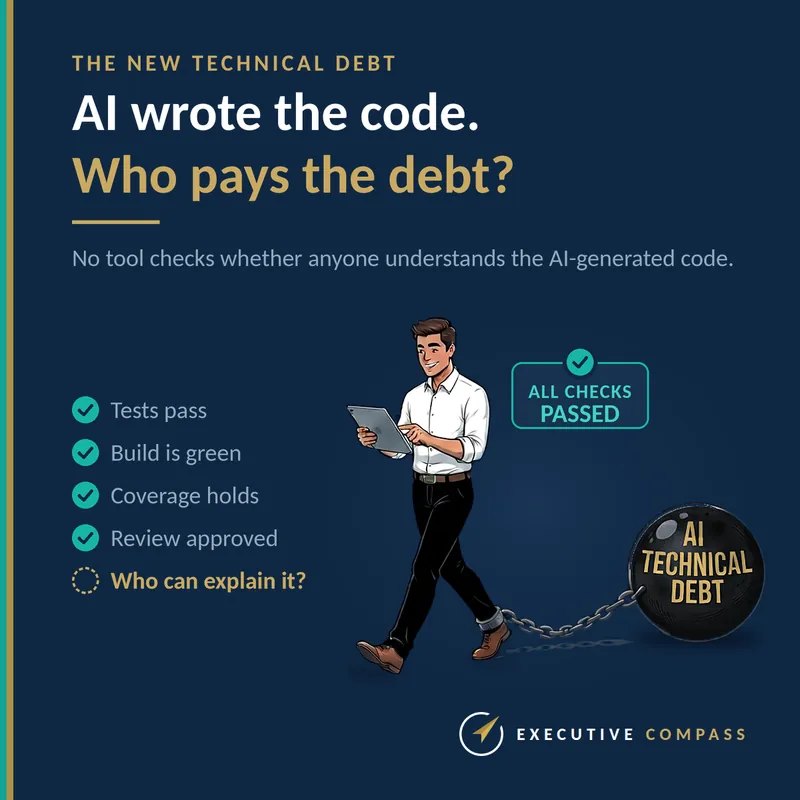
AI made writing code cheap. Understanding it did not get cheaper. That gap is where a new type of technical debt now lives, and it is widening.
I have inherited codebases that looked fine from the outside and were quietly draining the team underneath. Strong engineers left over it. They were embarrassed by what they were being asked to maintain.
There is a newer version of this now. Code that AI wrote, that passed its tests, shipped, and has never been read end to end by anyone. There is no author to ask. This one is harder to spot than the old kind, because none of the usual signals catch it.
People tell me AI can just explain the code. Try that on a function that has been patched for years. You will get a fluent answer, and no way to know if it is right, because the business reason behind that code was never written down anywhere AI can read. Developers already feel this. In Stack Overflow’s 2025 survey, their most common frustration with AI, named by 66%, was answers that are “almost right, but not quite.”
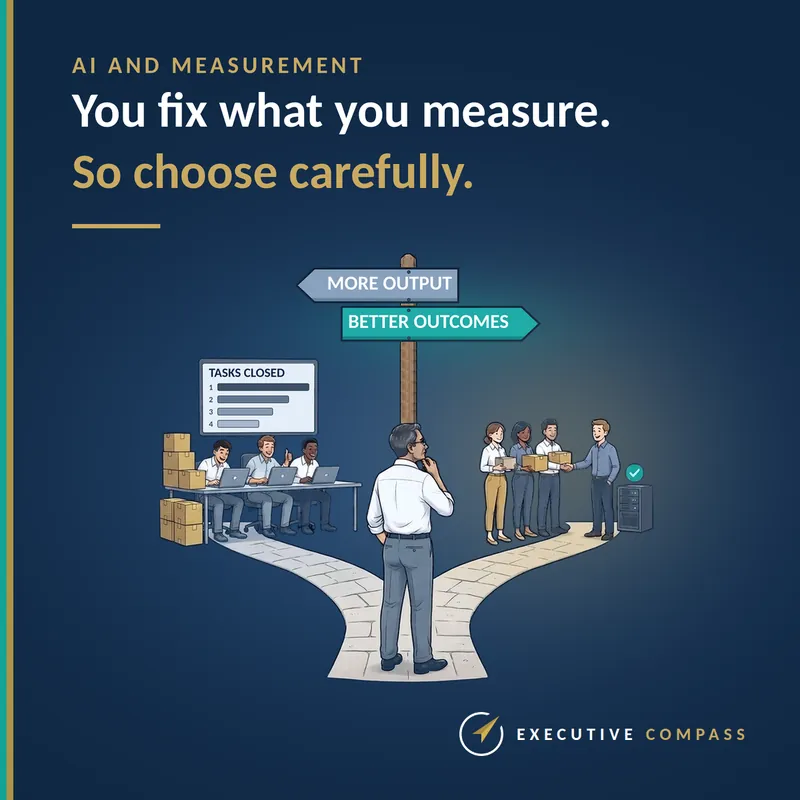
The leaders I coach are caught in the middle of this. Their executives want a number for what AI is saving, and that number comes from shipping more with the same people. The thing they are being measured on is the thing building the debt.
That is why technical debt is a leadership problem. It rarely reaches a dashboard until the only honest option left is a rewrite. AI will not make that rewrite cheap.
Three things I recommend:
- Translate it into business language: time lost, releases delayed, and engineers who left. Your AI tooling already has a line in the budget. Put the cost of the debt it adds next to it.
- Budget for understanding. Give engineers time to read, test and write down what AI produced, and do not trade that time away when a deadline comes. Work that is optional rarely happens.
- Put a name on it. Nothing ships without someone who can explain the logic when asked.
When anyone can produce code in a day, the engineer who can still explain it is the one you want to keep. Code nobody understands is borrowed speed, and the people who stay pay the interest. Owning that code is still a leader’s job, even when AI wrote it. Pay down the debt while that engineer is still on your team.
Discuss this post on LinkedIn →
Sources
- Stack Overflow Developer Survey 2025: the most common frustration with AI tools, named by 66% of developers, was answers that are “almost right, but not quite.”
First published on LinkedIn on September 30, 2026.