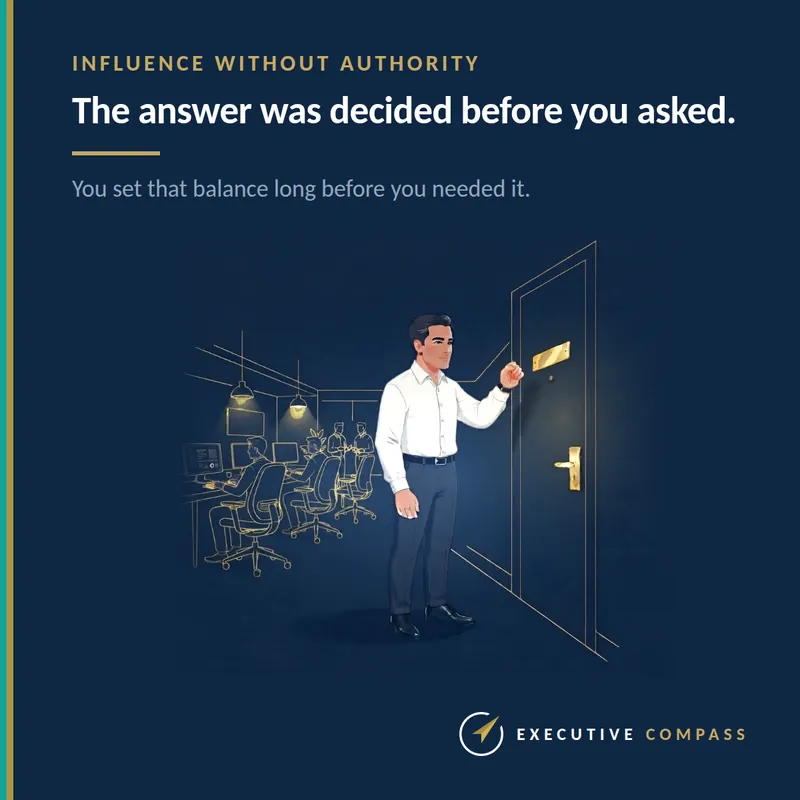
The same ask gets a yes from one person, a no from another. The problem is not the ask. It is the balance in the mental bank account.
I once needed an off-cycle promotion for one engineer and an immigration exception for another. HR got me both.
Not because I asked well. For years I had a standing 1:1 with my HR partner. I worked on company-wide initiatives to improve employee engagement, built a career lattice, and helped her team set up training tracks. I asked for nothing in return. By the time I needed something, there was a balance to draw on.
I keep a mental bank account for every person I work with. Every interaction is a deposit or a withdrawal. Influence is getting people to do something when you cannot tell them to. Inside my team I could fall back on authority. Outside it I could not, and most of what I needed sat outside it.
Helping someone is a deposit. Blindsiding them is a withdrawal. When the balance is good, people look for a way to say yes. When it is not, they look for a reason to say no.
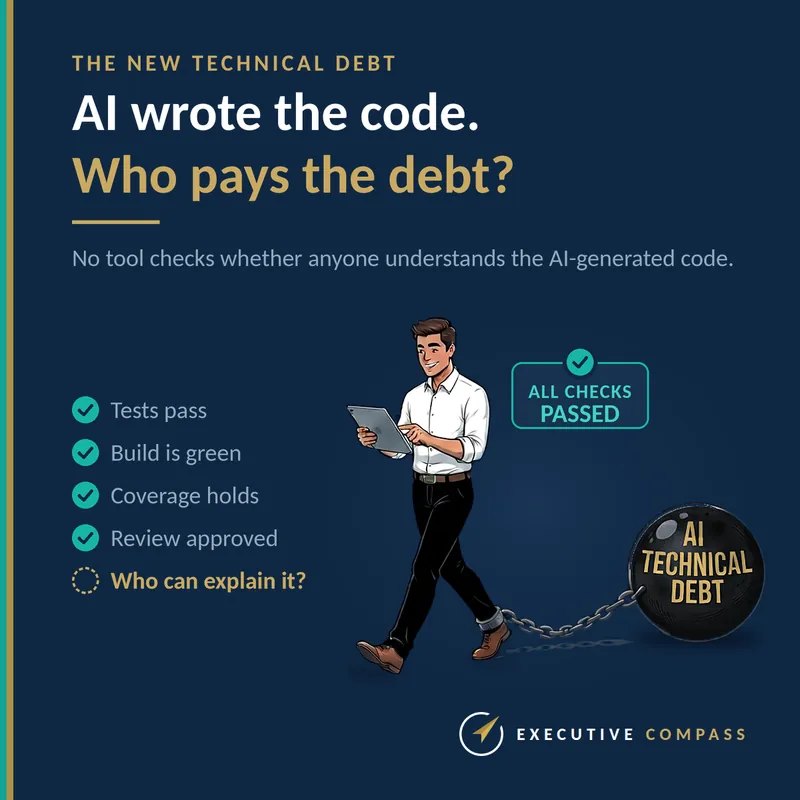
Some asks are big. My team was buried in technical debt. It was slowing them down and hurting morale. I asked the chief product officer to take capacity away from features and put it on paying that debt down. Feature delivery is what he gets judged on. He agreed. An ask that size only lands if the balance is already there.
A good balance does more than get you a yes. People give you the benefit of the doubt. And when you get something wrong, it does not cost you the relationship.
Take out too much and the account goes negative. There is no goodwill left to draw on. Now every request gets questioned. Your influence with that person is reduced, and earning it back takes much longer than losing it. So I make deposits long before I need anything. I do not know which account I will need, or when.
The deposits I make most often:
- Make the introduction. When someone needs something and you know who has it, connect them. That is a deposit with both people.
- Help them win. Find out what they are trying to get done, and help. Do not ask for anything back.
- Give credit in public. Praise their team in a room where their boss is sitting. It costs nothing and they remember it.
- Be easy to work with. Don’t make people chase you. If the answer is no, say no early.
- Keep your commitments. A missed one is a withdrawal you did not know you made.
The first objection I get is that this is just being nice so you can use people later. It is the opposite. It only works if you mean it. People can tell when help has a hook in it, and that is a withdrawal, not a deposit.
The account is not for them to see. It is for you, so you notice who you have not helped in a long time. Pick one account that has gone quiet. Make a deposit this week.
Discuss this post on LinkedIn →
Further reading
- B. Kim Barnes, “Exercising Influence: A Guide for Making Things Happen at Work, at Home, and in Your Community.” I have used it throughout my career and still recommend it to the leaders I coach.
- I built this habit in the field and only later found that Stephen Covey had named it the Emotional Bank Account in “The 7 Habits of Highly Effective People.” His six deposits are worth knowing: understand the other person, attend to the small things, keep commitments, clarify expectations, show personal integrity, and apologize sincerely when you make a withdrawal.
First published on LinkedIn on September 23, 2026.